A great garden doesn’t happen by accident. It’s the result of small, deliberate choices made over time – where you put the seating, which plants get morning sun, how you route foot traffic, and yes, even where you store your tools and equipment. Whether you’re starting from a bare patch of dirt or refreshing a yard that’s been neglected for a few seasons, the same principles apply: think in layers, plan for maintenance, and design spaces that invite you outside rather than ones you dread dealing with on a Saturday morning.
Start With the Bones of the Space
Before you buy a single plant, walk your yard at different times of day. Note where the sun lands in the morning versus late afternoon, which corners stay shaded, and where water tends to pool after rain. This groundwork saves you from the classic beginner mistake of planting sun-loving perennials in a spot that’s shaded by 2 p.m., or putting a patio in a low-lying area that turns into a small pond every spring.
Once you understand your yard’s natural patterns, sketch out zones. Most functional yards break down into a few categories: a relaxation zone (patio, deck, or seating nook), a green zone (lawn, garden beds, borders), a utility zone (storage, compost, tool access), and sometimes a play or entertaining zone. You don’t need hard boundaries between these – a change in paving material or a low hedge is often enough to signal a shift from one purpose to another.
Choosing Plants That Actually Thrive
It’s tempting to fill a garden with whatever looks good at the nursery, but the plants that thrive are the ones matched to your specific soil, light, and climate conditions. A quick soil test (many extension offices offer these cheaply) tells you whether you’re working with clay, sand, or loam, and whether your soil leans acidic or alkaline. This single piece of information will save you years of frustration.
Layering is another principle borrowed from professional landscape design. Think in three tiers: tall structural plants (trees, large shrubs) that anchor the space, mid-height plants that fill the middle ground, and low groundcovers or edging plants that soften the transition to lawn or pathway. Gardens designed this way tend to feel intentional rather than scattered, even when they’re relatively low-maintenance.
Native plants deserve special mention here. They’re adapted to your local rainfall and temperature swings, which means less watering, less fertilizing, and fewer pest problems once established. A yard built primarily around native species also tends to attract more pollinators, bees, butterflies, and birds, turning your garden into a small but meaningful piece of local habitat.
Water Management
Nothing undermines a beautiful garden faster than poor water management. Overwatering leads to root rot and fungal disease, underwatering stresses plants and stunts growth. The fix isn’t complicated, but it does require some infrastructure thinking.
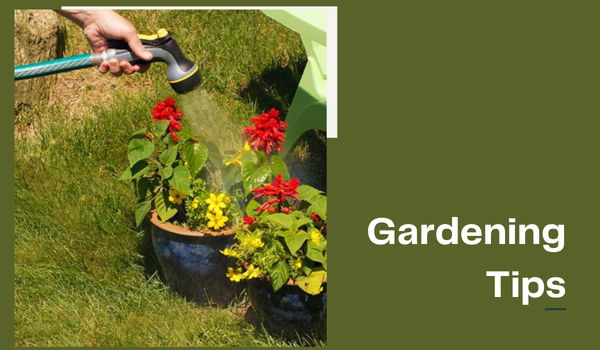
Drip irrigation and soaker hoses are far more efficient than sprinklers for garden beds, since they deliver water directly to the root zone instead of losing a good percentage to evaporation and wind drift. If you’re watering by hand with a standard garden hose, the way you store that hose matters more than people expect. A hose left coiled on the ground degrades faster from UV exposure and is far more likely to kink, crack, or become a tripping hazard near garden beds. Mounting it up off the ground not only extends its lifespan but also keeps pathways clear and beds tidier. To choose the best wall mounted hose reel for the garden there are a few things to know. First, look at build material – metal and heavy-duty resin hold up far better than thin plastic under sun exposure. Second, check the mounting hardware, since a flimsy bracket is often the first thing to fail. And third, make sure the reel is rated for the length and diameter of hose you actually own, not just a generic “standard” size.
Rain barrels are another worthwhile addition, especially if you’re gardening in a region with water restrictions. Positioned under a downspout, a single barrel can capture hundreds of gallons over a rainy season – water that’s free of chlorine and often better for sensitive plants than tap water.
Hardscaping That Earns Its Keep
Paths, patios, and retaining walls do more than look nice, they solve real problems. A well-placed path keeps foot traffic off garden beds and prevents soil compaction around root zones. A patio extends your usable living space outdoors, and a retaining wall can turn an unusable slope into terraced planting beds.
When choosing hardscape materials, think about maintenance as much as aesthetics. Gravel paths are inexpensive and drain well but need periodic weeding and topping up. Pavers look polished and are relatively low-maintenance but cost more upfront. Poured concrete is durable and affordable but can crack over time in freeze-thaw climates. There’s no universally “best” choice – only the one that fits your climate, budget, and how much upkeep you’re realistically willing to do.
Tools, Storage, and Keeping Things Organized
A garden is only as pleasant to maintain as it is easy to access your tools. Cluttered sheds, tangled hoses, and misplaced pruners turn a quick ten-minute weeding session into a twenty-minute scavenger hunt. Investing a little time, and a modest budget, into organized storage pays off every single time you step outside.
This is where dedicated wall-mounted storage for hoses, tools, and equipment makes a genuine difference. Keeping hoses off the ground and tools hung rather than piled reduces damage, saves space, and makes the whole yard feel more put-together. Resources like Hose Guide Hub are useful if you’re trying to compare storage and reel options without wading through dozens of conflicting product reviews yourself.
Bringing It All Together
The best gardens and yards aren’t necessarily the most elaborate ones – they’re the ones designed around how people actually use them. Start with an honest read of your space, choose plants suited to your real conditions rather than aspirational ones, take water management seriously, and don’t overlook the practical details like tool storage and hose care. Those unglamorous choices are often what separates a yard that looks good in photos from one that’s genuinely enjoyable to live in, season after season.